5 Reasons Your Hair May Have Stopped Growing — And What to Consider

Affiliate Disclosure:
This post contains affiliate links. If you purchase through my links, I may earn a commission at no extra cost to you.
I only recommend products I genuinely believe in
If your hair has stopped growing — or feels stuck at the same length for months — it may not be genetics. Several nutritional and lifestyle factors are commonly associated with hair health, and some of them are more addressable than you might expect.
In this post, I’m looking at five areas where hair stopped growing is sometimes connected to nutritional gaps, and what each one might suggest in terms of support.
Note: If you’re experiencing significant, sudden, or patchy hair loss, consulting a dermatologist or healthcare professional is always the recommended first step.
Hair grows in cycles — an active growth phase, a brief transitional phase, and a resting phase before shedding. Several factors may influence how long hair stays in the active growth phase and how well that growth is supported.
Here are five areas commonly associated with slower or stalled hair growth.
Iron is involved in transporting oxygen to cells throughout the body, including hair follicles. Some research suggests that low iron status may be associated with increased hair shedding, though the relationship varies by individual and is still being studied. (Read: Iron and hair health →)
If you’re noticing increased shedding alongside other symptoms such as fatigue or low energy, iron levels may be worth discussing with your doctor. A simple blood test can confirm whether levels are within a normal range.
Worth knowing: Vitamin C is generally recognized as supporting iron absorption when consumed alongside iron-rich foods or supplements. However, iron supplementation should only be considered if a deficiency is confirmed by a healthcare provider — excess iron carries its own risks.
Biotin is a B vitamin that plays a role in keratin production — the structural protein that makes up hair. For this reason, biotin is commonly included in hair wellness formulations. (Read: Biotin and hair →)
Signs sometimes associated with low biotin status include brittle nails alongside increased hair shedding — though true biotin deficiency is relatively uncommon in people eating a varied diet.
If you’re looking for a formula that includes biotin as part of a broader hair nutrition approach, Advanced Collagen Plus contains biotin alongside zinc and multiple collagen types.
Stress is commonly associated with disruptions to the normal hair growth cycle. Some research suggests that elevated cortisol levels may contribute to pushing hair follicles into the resting phase earlier than usual — with visible shedding sometimes appearing weeks or even months after the stressful period itself.
This is one reason hair stopped growing is not always immediately obvious in its cause. The trigger may have occurred well before the shedding became noticeable.
Lifestyle approaches commonly associated with stress support include consistent sleep, regular movement, and reducing stimulant intake. Some people additionally explore adaptogenic herbs — however, these should be discussed with a healthcare provider before starting.
Hair is primarily composed of keratin, which is a protein. When overall protein intake falls significantly, the body may prioritize protein for essential internal functions — and hair growth may be deprioritized as a result.
Collagen, furthermore, is a structural protein that contains amino acids involved in keratin production. Adding a collagen supplement to a morning routine is one approach some people take when focusing on hair nutrition support.
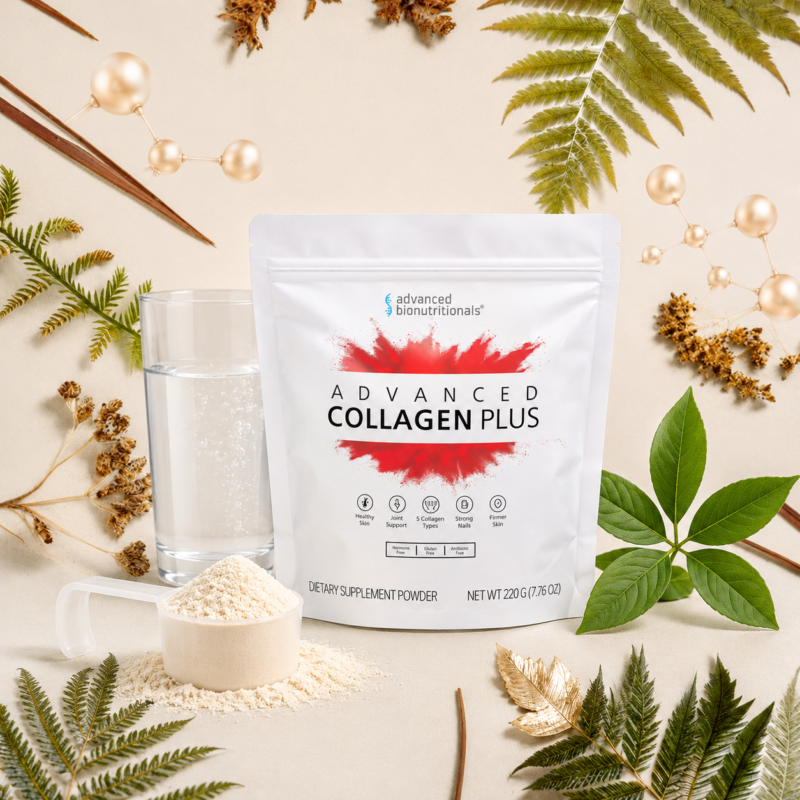
Advanced Collagen Plus is a flavorless multi-type collagen powder that includes Types I, II, III, V, and X collagen from multiple sources, along with biotin and zinc — nutrients commonly associated with normal hair and nail health. It dissolves easily in coffee, smoothies, or water with no taste change.
EXPLORE ADVANCED COLLAGEN PLUS
For a full ingredient breakdown, read Advanced Collagen Plus Review
Vitamin D has been studied in the context of hair follicle health. Some research has explored a potential connection between low vitamin D status and disruptions to the hair growth cycle, though the evidence continues to develop and individual responses vary. (Read: Vitamin D and hair →)
Vitamin D levels can vary considerably based on sun exposure, diet, skin tone, and geographic location. Therefore, getting levels tested through a healthcare provider is a reasonable starting point if you’re concerned — rather than supplementing without confirmed need.
If biotin and collagen/protein intake feel like the most relevant areas for your situation, Advanced Collagen Plus covers both in one daily formula. It includes biotin, zinc, and five collagen types — making it a relatively streamlined option for those looking to support hair nutrition without managing multiple separate supplements.
Overall, nutritional support works best as part of a consistent routine — not as a short-term fix. Individual responses to any supplement vary.
Hair grows in cycles — an active growth phase, a brief transitional phase, and a resting phase before shedding. Several factors may influence how long hair stays in the active phase. Five areas commonly associated with slower growth are iron levels, biotin intake, elevated cortisol from stress, protein and collagen intake, and vitamin D status.
Iron is involved in transporting oxygen to cells throughout the body, including hair follicles, and some research suggests low iron status may be associated with increased shedding. A simple blood test can confirm your levels. Iron supplementation should only be considered with guidance from a healthcare provider.
Biotin is a B vitamin that plays a role in keratin production, the structural protein that makes up hair, which is why it appears in many hair formulations. True biotin deficiency is relatively uncommon in people eating a varied diet, so it may not be the limiting factor for everyone.
Stress is commonly associated with disruptions to the normal hair growth cycle, and some research suggests elevated cortisol may contribute to pushing follicles into the resting phase. The trigger often occurs well before the shedding becomes noticeable, which is why the cause isn’t always obvious.
If hair loss is sudden, patchy, significant, or accompanied by other symptoms such as fatigue, consult a dermatologist or healthcare professional as a first step. The nutritional and lifestyle factors discussed here are general wellness considerations, not a diagnosis.
If your hair loss is sudden, patchy, significant, or accompanied by other symptoms — please consult a dermatologist or healthcare professional. The five areas covered in this post are general nutritional considerations, not medical diagnoses or treatments.
These statements have not been evaluated by the Food and Drug Administration. This product is not intended to diagnose, treat, cure, or prevent any disease. This content is for informational purposes only and is not a substitute for medical advice from your physician or other medical professionals. The information in this post is based on publicly available nutritional information and should not be interpreted as medical advice or a guarantee of results. Always consult a healthcare professional before starting any new supplement. Results vary by individual.