Do Weight Loss Supplements Actually Work?
What Women Over 35 Need to Know

Affiliate Disclosure:
This post contains affiliate links. If you purchase through our links, we may earn a commission at no additional cost to you.
We only recommend products we genuinely believe in.
If you’ve ever stood in a supplement aisle — or scrolled through endless product ads — wondering which ones are worth your money and which are just clever marketing, you’re not alone.
Weight loss supplements are one of the most heavily marketed product categories in the wellness industry. And for women over 35, who are often dealing with real hormonal and metabolic changes, the appeal makes complete sense.
But what does the science actually say? And are any of these supplements worth considering?
Here’s the honest breakdown.
Before discussing supplements, it helps to understand what’s actually happening in your body.
After 35, several things shift simultaneously:
Collagen production declines. Most people associate collagen with skin — but collagen is also essential for maintaining lean muscle tissue. Less collagen may mean slower muscle recovery and gradual muscle loss over time.
Estrogen levels fluctuate. Hormonal changes during perimenopause and menopause affect how your body stores and burns energy, often leading to changes in body composition even without changes in diet or exercise.
Metabolism naturally slows. Research published in Science suggests that metabolism remains relatively stable between ages 20 and 60 — but the hormonal and muscle mass changes that accompany aging still affect how efficiently the body uses energy.
Understanding these root causes matters because it changes what kind of supplement support actually makes sense.
This is where honesty matters most.
What no supplement can do: No supplement — regardless of how it is marketed — has been proven to cause significant weight loss on its own. The FDA does not approve dietary supplements for weight loss, and any product making dramatic claims should be approached with serious skepticism.
What some supplements may support: Certain natural ingredients have research suggesting they may help support energy levels, healthy metabolism, lean muscle maintenance, and overall wellness — which are all factors that play a role in healthy weight management as part of a balanced lifestyle.
The distinction is important: support is not the same as cause.
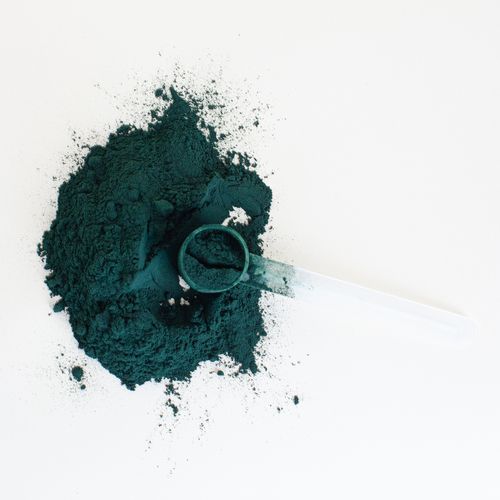
Collagen is primarily known for skin and hair benefits — but its role in lean muscle support is often overlooked. Since muscle tissue burns more calories at rest than fat tissue, maintaining muscle mass becomes increasingly important for women over 35.
Hydrolyzed collagen peptides may help support muscle recovery and lean tissue maintenance when combined with regular physical activity. This is not a direct fat-burning mechanism — but supporting lean muscle is a meaningful part of long-term healthy weight management.
We reviewed Advanced Collagen Plus in detail — a multi-type collagen powder specifically formulated for women. Read the full review here.
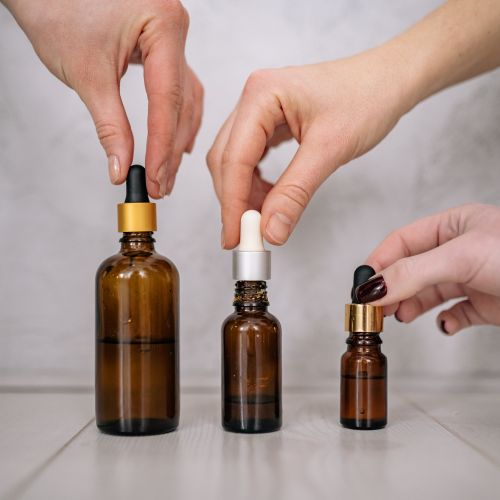
Medium-chain triglycerides (MCTs) are a type of fat derived primarily from coconut oil. Research suggests MCTs may help support energy levels and satiety — meaning they may help you feel fuller for longer, which can support mindful eating habits.
MCT oil does not burn fat directly. However, as part of a healthy routine, it may support sustained energy without the blood sugar spikes associated with refined carbohydrates.
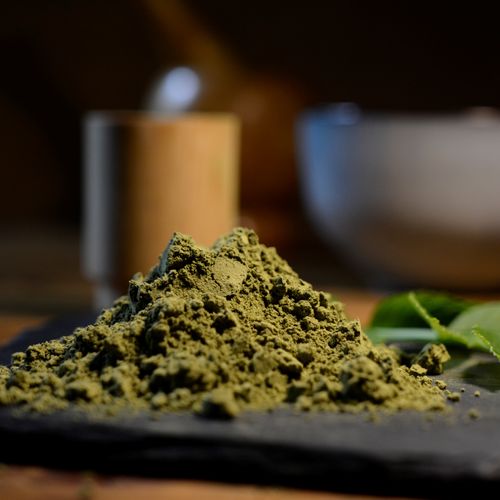
Green tea extract contains EGCG (epigallocatechin gallate), an antioxidant compound that has been studied for its potential to support healthy metabolism. Research results are modest — but green tea extract is one of the more studied natural ingredients in this category.
It is worth noting that high doses of green tea extract supplements have been associated with liver concerns in some cases. If you are considering this ingredient, consult your healthcare provider first.

Adaptogenic mushrooms — including Cordyceps and Lion’s Mane — are gaining significant research attention for their potential to support energy, reduce stress-related fatigue, and promote mental clarity.
Chronic stress elevates cortisol, which is associated with increased fat storage particularly around the midsection. Adaptogens that may help the body manage stress response are therefore relevant to overall wellness — though they are not weight loss supplements in the traditional sense.
CollaGenius combines adaptogenic mushrooms with collagen in a chocolate drink format. Read our full CollaGenius review here.

Magnesium deficiency is common among women and has been associated with poor sleep quality, increased stress response, and low energy — all of which can affect healthy weight management indirectly. Magnesium is not a weight loss supplement, but addressing a deficiency can support overall wellness and energy levels.
Supplements work best as part of a broader approach — not as a replacement for one.
For women over 35, that foundation includes:
Adequate protein intake. Protein supports lean muscle maintenance — more effectively than any supplement alone. Aim for 0.7 to 1 gram of protein per pound of body weight daily as a general starting point, but consult a registered dietitian for personalized guidance.
Strength training. Resistance exercise is the most evidence-based approach to maintaining muscle mass and supporting healthy metabolism as you age. Even 2-3 sessions per week makes a meaningful difference.
Sleep quality. Poor sleep is consistently associated with hormonal disruptions that affect appetite regulation and energy use. No supplement compensates for chronic sleep deprivation.
Stress management. Elevated cortisol from chronic stress directly affects body composition. Adaptogens may offer support — but addressing root causes of stress matters more.
If you decide to explore supplements as part of your wellness routine, here is what to look for:
Based on ingredient quality, manufacturing standards, and realistic benefit claims, two products stand out for women in this category:
For collagen and lean muscle support:
Advanced Collagen Plus
A multi-type hydrolyzed collagen powder with 5 collagen types plus Biotin, Hyaluronic Acid, and Vitamin C. Flavorless and dissolvable in any liquid. Comes with a 90-day satisfaction guarantee.
For collagen plus adaptogenic mushroom support:
CollaGenius
A chocolate mushroom collagen drink combining Lion’s Mane, Chaga, Cordyceps, and Red Reishi with grass-fed collagen and MCT oil. Designed to support both mental clarity and beauty from within. 365-day guarantee.
Neither of these is a weight loss product — and we will not claim otherwise. They are wellness supplements that may support the underlying factors — muscle maintenance, energy, stress response — that matter for healthy weight management over time.
Building consistent wellness habits matters as much as the supplements you choose. If you’re looking for a practical starting point, our guide to 7 Morning Wellness Habits That Can Change Your Day covers simple daily routines that complement any supplement regimen.
No supplement, regardless of how it is marketed, has been proven to cause significant weight loss on its own, and the FDA does not approve dietary supplements for weight loss. Some ingredients have research suggesting they may help support energy levels, healthy metabolism and lean muscle maintenance — support is not the same as cause.
Several things shift at once: collagen production declines, which matters because collagen also supports lean muscle tissue; estrogen levels fluctuate during perimenopause, affecting how the body stores and burns energy; and changes in muscle mass alter body composition even without changes in diet.
Research published in Science suggests metabolism remains relatively stable between ages 20 and 60. The difference many women notice comes largely from the hormonal changes and loss of muscle mass that accompany this stage, rather than from metabolic rate itself.
Certain natural ingredients have research suggesting they may support energy, healthy metabolism, lean muscle maintenance and overall wellness alongside diet and activity. Understanding the root causes matters, because it changes what kind of support actually makes sense.
Dietary supplements are not approved by the FDA for weight loss, and marketing claims are not the same as proven outcomes. Reading labels, checking ingredients and speaking with a healthcare provider before starting anything new is the sensible approach.
Weight loss supplements are not magic. Any product promising dramatic results without lifestyle changes is not being honest with you.
What natural supplements can do — when chosen carefully and used consistently — is support the underlying systems that affect how you feel, how you move, and how your body functions as you age.
For women over 35, that support is worth taking seriously. Just go in with realistic expectations, choose quality products from transparent brands, and treat supplements as one part of a larger wellness picture.
This content is for informational and educational purposes only. It is not intended as medical advice and should not replace consultation with a qualified healthcare provider. These statements have not been evaluated by the Food and Drug Administration. These products are not intended to diagnose, treat, cure, or prevent any disease. Individual results will vary.